.svg)
.svg)
- Global
As locals like to say, these dishes are 'die die, must try'. Here are some dishes to consider on your next hunt for a great meal.


An iconic Singapore dish – Poached chicken, aromatic rice, and flavorful condiments such as chili sauce and a tangy ginger and garlic paste create a simple yet savoury delight with rich, fragrant undertones.
An iconic staple of local cuisine, this dish is made with mud crab drenched in chilli sauce, with fried bread buns on the side to sop the leftovers.
Made from flat rice noodles and cooked in a wok for a smoky flavour, this dish is stir-fried with garlic, soy sauce, Chinese sausage, bean sprouts and cockles.
This aromatic dish gets its fragrance from the rice, which is cooked in pandan leaves and coconut milk. Popular toppings like anchovies and fried chicken wings make this dish a medley of flavours.
Sweet coconut jam on perfectly-browned toast is the star of a traditional Singaporean breakfast, often accompanied by local coffee and a soft-boiled egg.
Both flaky and crispy, this delicious flatbread is served with aromatic curry. Modern variations are stuffed with cheese, onions and other sweet and savoury toppings.
Singapore's version of this Fujian classic comprises egg and rice noodles braised in a rich prawn stock until it is rich and flavourful and then stir-fried with delicious slivers of eggs, pork, prawn and squid.
Rice noodles and a spicy aromatic coconut-based curry broth are paired together in one delicious bowl, and topped with a variety of ingredients such as shrimp, fish cake, tofu puffs and cockles.
Quench your thirst with these quintessentially Singaporean, must-have beverages.
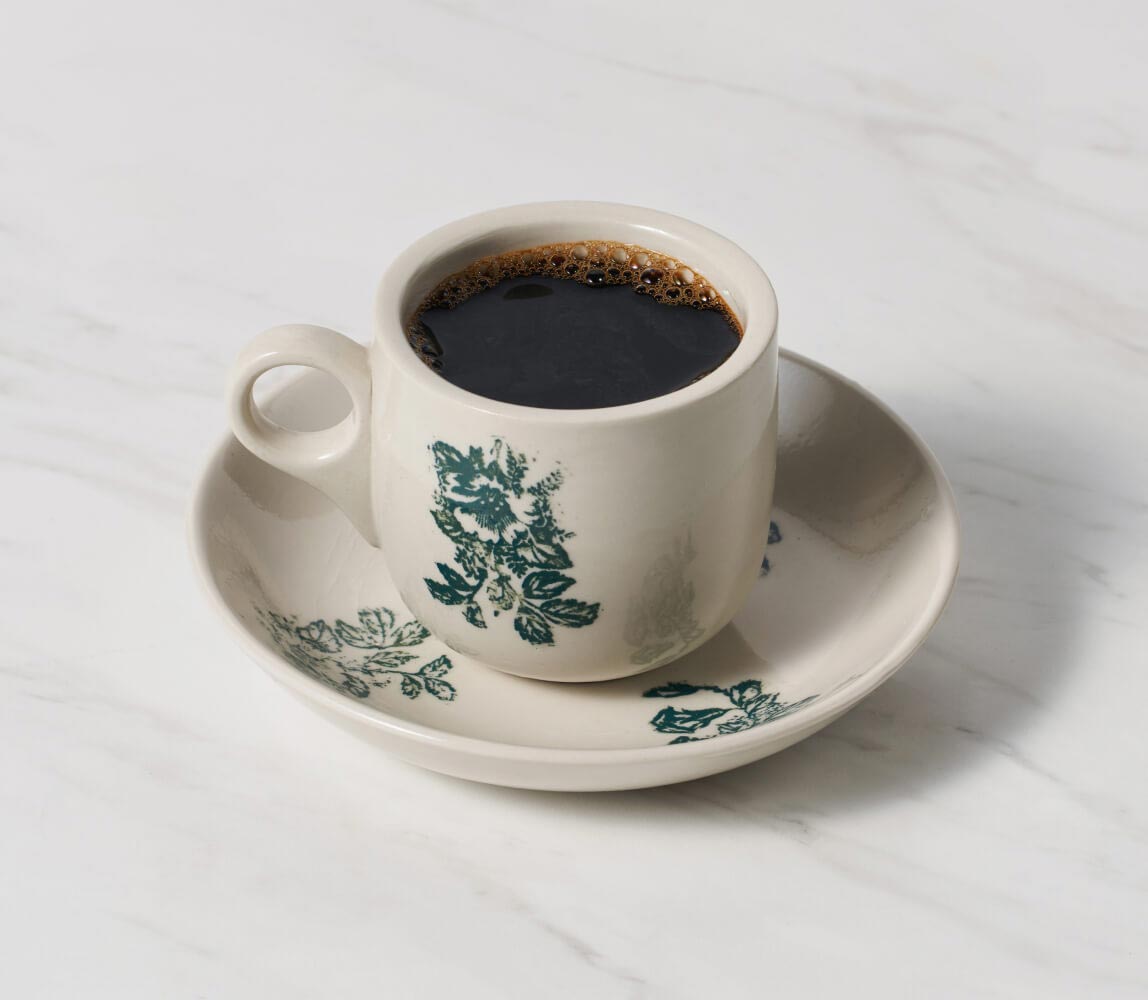
The unique taste of Singapore's flavoured caffeine fix comes from caramelised coffee beans, roasted with sugar and margarine, to bring out a rich and dark flavour.

Made with peeled sugar cane, this drink is best consumed over ice with a slice of lemon for a citrus-y tang, making the perfect refreshment on a sunny day.

One of Singapore’s most classic beverages, this frothy milk tea (teh, in Malay) gets its name from being pulled (tarik, in Malay) from one cup to another at varying heights.

Made from cooked barley, this Chinese staple which has a subtly sweet taste and a comforting texture, can be enjoyed hot or cold.

Pink, sweet and divine on a hot day, this rose syrup beverage is enjoyed for its fragrant floral notes. It is made with thickened milk and rose cordial.

Milo is a malt-based, chocolatey drink that's popular across the island. This hawker version of the classic beverage heaps a pile of Milo on top of the cup for a delightful, decadent crunch.

Known as Singapore’s national drink, this globetrotting cocktail was first created at the legendary Long Bar at Raffles Hotel. Its pretty pink hue comes from grenadine and cherry brandy, topped with pineapple and lime juice.

A delightful blend of creamy, sweet, and refreshing, you will find a mound of shaved ice topped with white coconut strips, green jelly, shaved ice and palm sugar.

From elevated restaurants serving fusion fare to casual meals at eateries, there are many ways to dine like a local.

