Singapore’s thriving applied health sciences industry mirrors much of the growth trends in today’s global Biomedical, Healthcare and MedTech sector. With world-class manufacturing capabilities, a pro-business environment as well as strong commitment to innovation and research in the biomedical and health domain, Singapore is well-positioned to support the industry’s rapid development.
Why Hold Applied Health Sciences Events in Singapore?
Regional Biomedical Hub

Over the years, Singapore has built up a strong reputation as a leading hub for biomedical sciences in Asia. This reputation has attracted many of the world’s largest pharmaceutical firms in the world to set up their regional headquarters in Singapore. Despite the country’s relatively small size, eight of the top 10 pharmaceutical firms such as Abbott, GlaxoSmithKline, Johnson & Johnson and Pfizer have manufacturing plants here, with multinational corporations accounting for over 35 manufacturing plants.
GlaxoSmithKline
GlaxoSmithKline has a total of three manufacturing plants in Singapore producing antibiotics, vaccines and pharmaceutical ingredients for prescription medicines. Their $130 million plant in Jurong, is one of the world’s most advanced manufacturing facilities. In addition to being fully automated, it is also piloting many new processes that are changing the way medicines are being made
Abbott
Abbott Singapore is one of the company’s most significant facilities globally and their Asia-Pacific distribution hub, employing around 900 people who are involved in delivering innovative medical products and healthcare solutions to the region. In 2010, Abbott set up Singapore’s first nutrition R&D site – the Abbott Nutrition Asia-Pacific Research & Development Center. The site currently houses around 65 scientists and staff, and is the largest such facility outside of the US.
Singapore's biomedical manufacturing prowess is evident in its significant contributions to the world's supply of essential medical devices and equipment. One in ten contact lenses and one in five cardiac-related implants originate from Singapore. The country also plays a crucial role in scientific research and diagnostics, producing half of the world's mass spectrometry systems and a vast majority of gene chips. This underscores Singapore’s dedication to driving healthcare advancements and scientific discoveries on a global scale.
Beyond manufacturing excellence, Singapore is actively fostering innovation in the health sciences. The S$25 billion commitment towards public sector research under the Research, Innovation and Enterprise (RIE) 2025 plan, with a focus on Human Health and Potential exemplifies this dedication. This substantial investment is poised to catalyse new medical breakthroughs and enable healthcare and life sciences companies to leverage Singapore’s extensive and integrated research ecosystem.
Many prominent international healthcare and research organisations, such as the American Association for Cancer Research, Duke University, Healthcare Information and Management Systems Society and Joint Commission International (JCI) also have an established presence here.
With more than 400 MedTech companies employing over 16,000 people, Singapore stands as a premier hub for innovation, technology and research. This concentration of thought leaders and key players creates an ideal launchpad for groundbreaking innovations, where companies leverage Singapore's unique ecosystem and diverse talent pool to create and test solutions that drive long-term impact on global healthcare.
This makes Singapore an ideal location for applied health sciences events, offering organisers access to world-renowned experts and innovators as speakers. In turn, these events attract diverse attendees from globally, eager to learn and forge meaningful connections within the industry.
Leading the Way in Healthcare
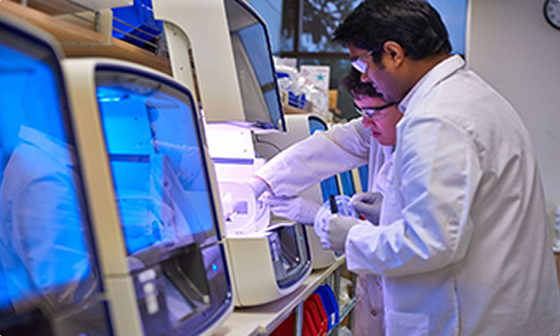
With the goal of becoming a Smart Nation, Singapore is pushing forward as a regional leader in MedTech research and development. The country is currently home to 50 medtech regional headquarters and 35 medtech manufacturing plants, including Becton Dickinson, Biotronik, GE Healthcare and Thermo Fisher Scientific, which are attracted by the country’s innovative R&D ecosystem and highly skilled workforce.
Thermo Fisher Scientific
Recognizing the importance of pandemic preparedness following COVID-19, Thermo Fisher Scientific opened a state-of-the-art sterile facility for therapeutics and vaccines in Singapore in 2023. Featured in the new facility is a high-speed sterile line for live virus filling – the first such large scale capability in Singapore. With more than 300 employees, the facility can manufacture up to 30 million doses per month.
GE Healthcare
GE Healthcare in Singapore employs more than 300 staff who provide solutions for diagnostic imaging departments, operating theatres and high acuity wards. In 2014, GE Healthcare chose Singapore for their first manufacturing plant in Southeast Asia. Today, Singapore serves as the company’s regional service hub for portable healthcare equipment repairs, and to provide training for users of GE Healthcare’s products and equipment.
Biotronik
Biotronik, a German pioneer in cardiac rhythm management, has significantly expanded its presence in Singapore by opening a state-of-the-art 20,000 sq m facility in December 2023. Biotronik is the first major manufacturer in its sector to establish an Asia-Pacific manufacturing and research hub, reaffirming its commitment to investing in Singapore's MedTech ecosystem, fostering strategic partnerships and creating new job opportunities.
Singapore's culture of innovation extends beyond multinational corporations into its thriving startup scene. This ecosystem is fuelled by a vibrant and collaborative business environment where government and private institutions work together to advance the industry. Beyond its strength in MedTech, focusing on medical devices and equipment, Singapore is rapidly emerging as Asia’s leading hub for HealthTech, encompassing a broader spectrum of technologies aimed at improving overall health.
According to Enterprise Singapore, HealthTech was the top vertical under the Human Health and Potential sector, reaching a total value of S$876 million in 2022. This momentum continued into 2023, as Singapore’s HealthTech startups secured S$409 million in funding, doubling the deal volume from the previous year. Examples of startups that have successfully commercialised critical medical technology and expanded globally include Singapore-based Structo, which specialises in 3D printers and materials for dental applications. Another notable example is Doctor Anywhere, a healthtech startup headquartered in Singapore that provides healthcare to over 2.5 million users across six countries in Southeast Asia.
This robust ecosystem, combined with Singapore’s position as a trusted gateway to the Asia Pacific market, makes it a prime destination for MedTech and HealthTech events. For companies seeking regional growth opportunities, Singapore serves as a powerful launchpad for new ideas and a meeting place for entrepreneurs and forward-thinking leaders to accelerate progress in the industry.
Healthcare Advancements
In addition to supporting the needs of its 5.9 million residents, Singapore’s leading healthcare system also attracts 500,000 international patients annually.
Singapore has come a long way in 50 years, from being plagued by frequent disease outbreaks and a relatively high adult mortality rate, to having one of the world’s most efficient healthcare systems. This remarkable progress stems from the nation’s innovative and holistic approach towards medicine and healthcare, ensuring patients have access to the latest medical technologies and drug developments.
Recognising the importance of collaboration in medical breakthroughs, Singapore has invested heavily into building an ecosystem where lab discoveries can quickly be translated into viable patient solutions. Examples of this collaborative approach include the creation of the Experimental Drug Development Centre — a national platform for channelling high-potential drug candidates towards commercial reality, and the Target Translation Consortium, which coordinates early-stage drug discovery efforts across academia, healthcare institutions and government agencies.
Today, Singapore’s demographics mirror the healthcare needs and aspirations of Asia and much of the world. With an ageing population, the focus has turned to solutions that lessen the strain on hospitals and allow ageing-in-place. This has led to growing demand for preventive and rehabilitative healthcare, and its related technologies such as remote medical monitoring devices, assistive devices and virtual healthcare services.
Across Biomedical, MedTech and Healthcare, Singapore’s commitment to health sciences advancement makes it an ideal hub for hosting progressive, thought-leadership events. These gatherings facilitate knowledge exchange and convene key opinion leaders, institutes, firms, start-ups and research organisations, fostering meaningful partnerships that shape the future of health sciences.