An Overview
The growth of Asia’s economy has resulted in a booming logistics industry, and created a greater demand for faster and more efficient transport connectivity over air, land and sea links.
As a major trade hub and global-Asia node, Singapore sits in the middle of an exciting hotbed of opportunities, serving as the regional headquarters for many aerospace, logistics and maritime companies. They are attracted by our world-class workforce which has benefitted from specialised training facilities such as the Singapore Aviation Academy and Singapore Maritime Institute, as well as our strategic position for both sea and air routes.
The country’s vibrant business community, paired with unrivalled access to new markets, partners and global talents, engenders ample growth opportunities. Even as these companies and industries continue to grow and evolve, Singapore is poised to stay at the forefront of development, leading the conversation into future topics ranging from green transportation solutions to logistics innovation.
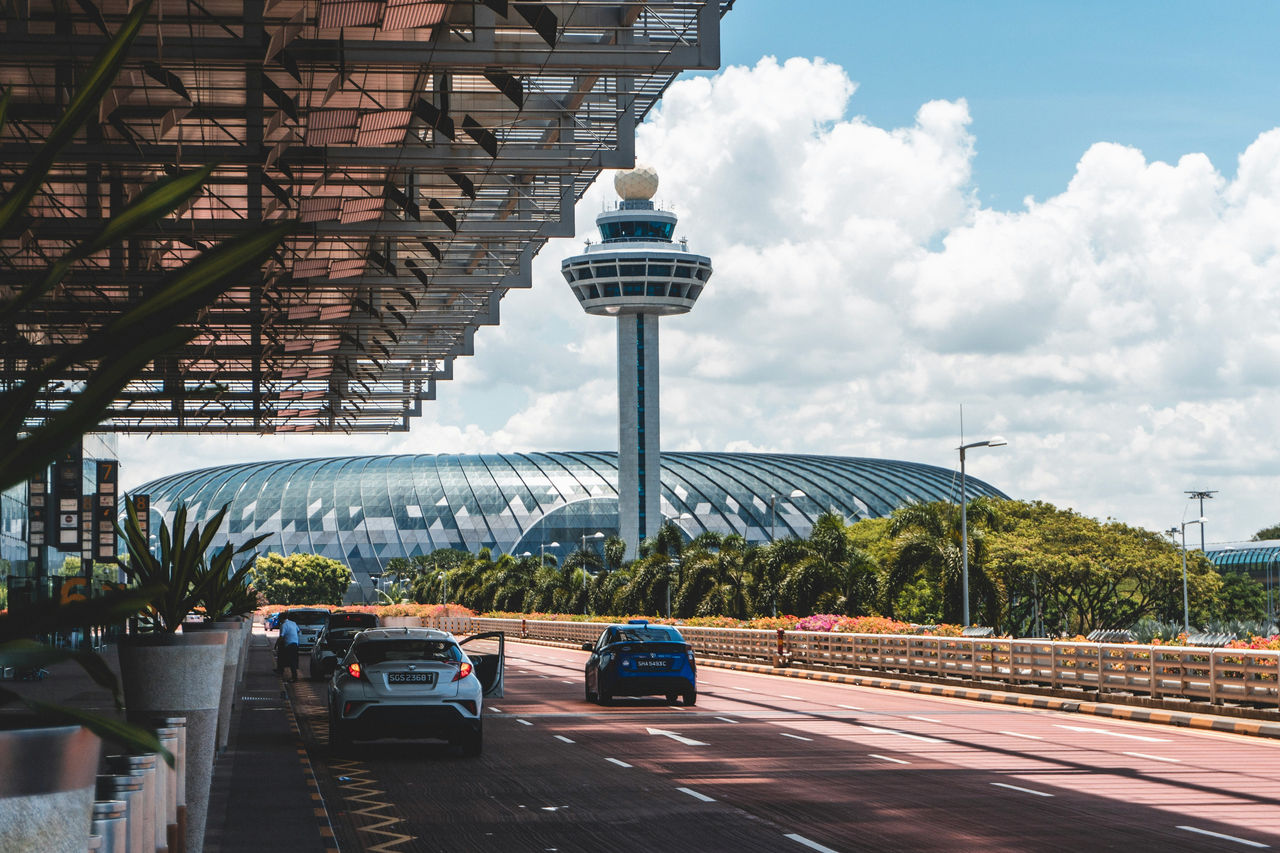
Why Hold Aerospace & Logistics Events in Singapore?
The concentration of aerospace and logistic companies in Singapore makes it a natural choice for international and regional events that drive meaningful industry-wide impact.
Home to Regional and Global Headquarters
Singapore's world-class infrastructure, strategic access to global markets and thriving business environment have attracted many global companies to establish their international and regional headquarters here. This concentration of companies fosters a vibrant ecosystem that draws regional and international attendees to Singapore to gain expert insights, exchange knowledge, and forge new connections at MICE events. Organisers also have easy access to thought leaders and captions of industry to attend, network, and speak at their events. Some of the leading aerospace and logistics companies in Singapore include:
Airbus
Singapore is the regional hub for Airbus’ commercial aircraft, defence, space and helicopter businesses. Their more than 50-year relationship with Singapore goes beyond commercial interests, with significant investments into locally incorporated companies that focus on regional customer support, maintenance and training operations. Further demonstrating their commitment, Airbus is set to launch a Sustainable Aviation Hub in Singapore. The Hub will foster industry collaboration and drive R&D towards a greener aviation ecosystem.
Thales
First established in Singapore in 1973, Thales has continuously expanded its local footprint. Highlights of their operations in Singapore include operating the group’s largest avionics repair facility and working closely with the Civil Aviation Authority of Singapore to advance the country’s Air Traffic Management architecture. To strengthen its avionics and digital capabilities in Singapore, Thales plans to establish an Avionics Centre of Excellence in the city-state to advance R&D of avionics products and Smart Factory transformation initiatives.
DHL
DHL first opened its office in Singapore in 1972. It has continually invested in the country, with plans announced in 2023 to invest S$504.9 million in Southeast Asia over the following five years to expand its warehousing capacity, workforce and sustainability efforts. These plans include growing its warehousing capacity in Singapore by over 50% to exceed 230,000 square metres in 2023 and creating 300 new jobs by 2024.
DB Schenker
DB Schenker has a total of 13 facilities in Singapore, including the firm’s largest global investment which spans over 51,000 square metres. Their cutting-edge facilities in Singapore include automation technologies that can speed up air freight imports by 40 per cent, as well as sustainable features that cut energy use by 35 per cent. Set to be completed by 2025, their new S$148.1 million facility, RedLion2, will increase the company's total logistics footprint in Singapore to nearly four million square feet.
Industry Showcase
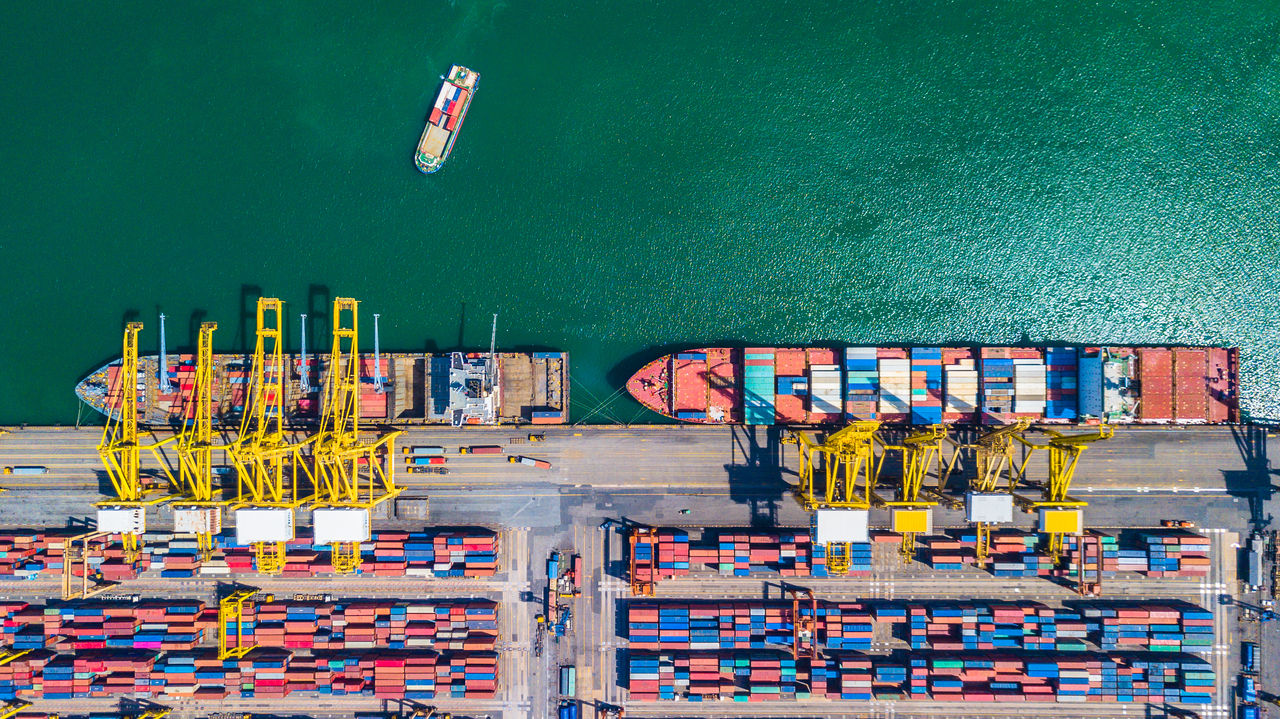
With its strong position as a leader in global transportation and logistics, Singapore is the launchpad for many technological innovations and industry-firsts.
The city-state boasts a cutting-edge 3.2-square-kilometreSeletar Aerospace Park, featuring integrated activities such as manufacturing, aftermarket services and R&D. Located in this park is GE Aerospace’s Singapore aircraft engine repair facility, which was the first in the world to implement new additive manufacturing technology to repair commercial jet engine airfoil components. GE Aerospace plans to invest S$15 million to turn this facility into a state-of-the-art Smart Factory that will transform engine repair and expand workforce skills to support new technologies.
Another industry-first is Changi Airport Group’s Pharma@Changi initiative. Launched in 2017, it is the first air cargo community in Asia Pacific that fosters a network of partners from the air cargo supply chain. The community jointly pursues the best standards in pharmaceutical handling to strengthen Singapore’s position as a trusted pharmaceutical air cargo hub.
Singapore is also home to the first Lufthansa Innovation Hub outside of Germany, which focuses on studying specific market developments in the digitalisation of Travel and Mobility in Asia. The country’s commitment to innovation extends to pilot training as well, with Embraer and CAE recently inaugurating Asia Pacific’s first E-Jets E2 full flight simulator in Singapore.
On the maritime front, Singapore is looking forward to welcoming the Tuas Mega Port, which will be opened in four phases. When completed in 2040, the Tuas Mega Port will have a handling capacity of 65 million twenty-foot equivalent units (TEUs), making it the world’s largest port. It will feature technological innovations such as the Next Generation Vessel Traffic Management System, as well as 50 per cent lower carbon emissions through the use of electrified equipment and vehicles, as a move towards achieving its goal of net zero emissions by 2050.
Given the abundance of exciting developments concentrated in a well-connected city, industry event experiences can be elevated by venturing beyond meeting rooms and convention halls. By visiting actual work sites, participants can engage directly with experts and gain firsthand insights into the industry's latest innovations and advancements.
Embracing Sustainability
Even as global transportation and logistics industries are grappling with environmental challenges such as carbon emissions and noise pollution, Singapore is proactively exploring solutions that enable these sectors to flourish while prioritising long-term sustainability.
This commitment is exemplified by the Singapore Green Plan 2030, which set targets for achieving long-term net zero greenhouse gas emissions by 2050. In line with this goal, both the aviation and maritime sectors are pursuing ambitious decarbonisation strategies. The Civil Aviation Authority of Singapore (CAAS) launched the Sustainable Airhub Blueprint in 2024 to decarbonise its aviation sector, including initiatives to build up the ecosystem to support the use of Sustainable Aviation Fuel (SAF) in Singapore.
Similarly, the Maritime and Port Authority of Singapore (MPA) is driving the development of net-zero fuel pathways, with a target for Singapore's domestic harbour craft sector to achieve net-zero emissions by 2050.
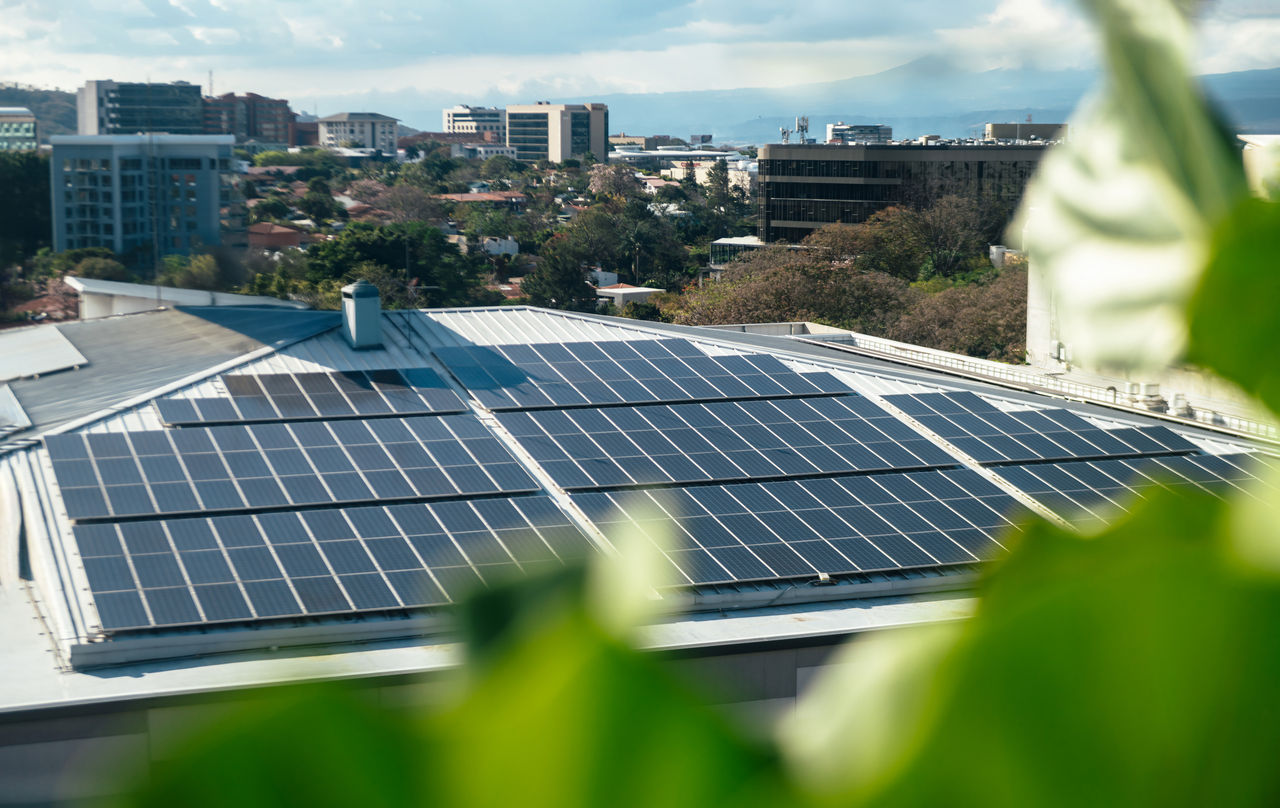
Today, sustainable aviation and logistics have become central discussion topics at conferences and events, with numerous companies in these industries embracing cleaner and more sustainable practices.
One fine example of this dedication to sustainability is the use of solar panels to power the Singapore Airshow since 2020. The Singapore Airshow 2024 also featured dedicated forums and discussions, like the Sustainable Aviation Forum and Changi Aviation Summit, focused on addressing sustainability challenges and promoting green solutions within the industry.
Paired with numerous green MICE venues, accommodation and event organisers, Singapore enables businesses to host sustainable events with ease.
This forward-thinking mindset ensures that Singapore will continue to thrive as a hub for the logistics sector, while contributing to a more responsible and sustainable future for the industry.