From 20 to 22 May 2026, over 1,000 policymakers, investors, and technical experts from more than 90 countries gathered at Suntec Singapore Convention & Exhibition Centre for Innovate4Climate (I4C) 2026, the World Bank Group's flagship conference focused on uncovering solutions for carbon pricing and carbon markets.
Held in Singapore for the second time, I4C took place alongside Ecosperity Week 2026 – Temasek's annual flagship sustainability event – placing the conference within a wider programme of activities and discussions around sustainability and the green economy in Singapore.
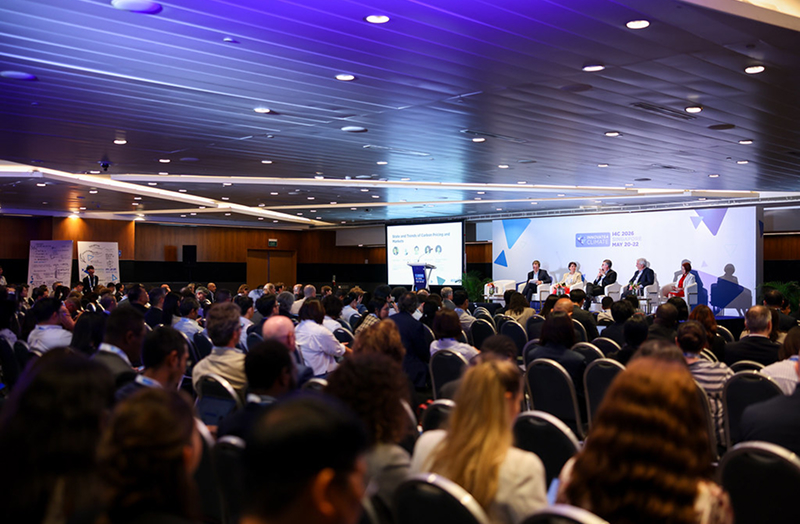
Connecting global experts with Asian markets
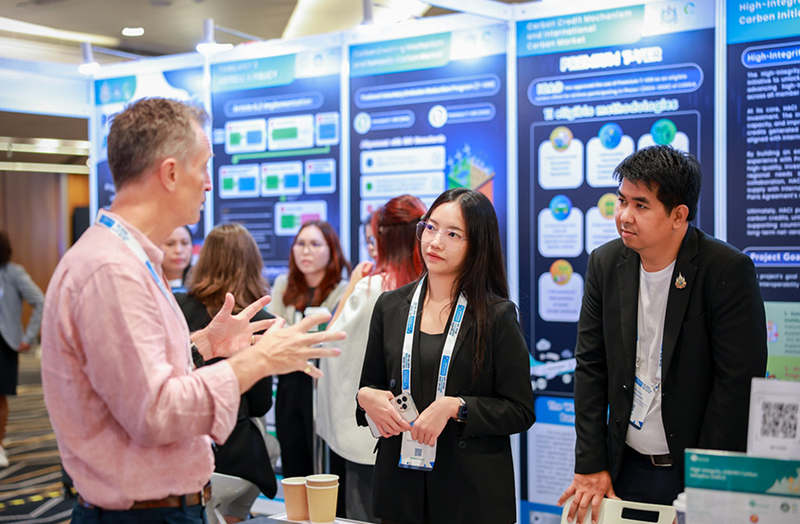
The World Bank Group's decision to return to Singapore reflected the city's growing significance in the international carbon markets landscape.
“We chose Singapore for two reasons,” said Luis Tineo, Acting Global Manager, Climate Analytics, Policy & Regulation at the World Bank Group Climate Department. “One: Singapore has become the hub for carbon markets in Asia. And two: it was hosting multiple events around Ecosperity held that week, so we wanted to be part of these initiatives.”
For Kristina Svensson, East Asia and Pacific Regional Hub Manager at the World Bank, Singapore offered more than a strategic location for the conference.
“We really believe that Singapore is the ideal place to hold an event like this, given its focus on innovation, on finance, and its capacity to bring together policymakers, academia, and multilateral development banks,” she said.
Bringing the carbon market ecosystem together
For delegates, Singapore’s strategic location created opportunities to reach counterparts across the carbon market ecosystem.
“The city’s geographical connectivity with the rest of the region as well as the globe was really critical when we hosted an event like this,” Svensson commented.
Finn O’Muircheartaigh, General Manager, APAC at BeZero Carbon, echoed this sentiment: “Singapore has this ability to attract people from all over the world. There are few places in the world where you can convene such a big group of stakeholders, which means the whole ecosystem is talking to each other.”
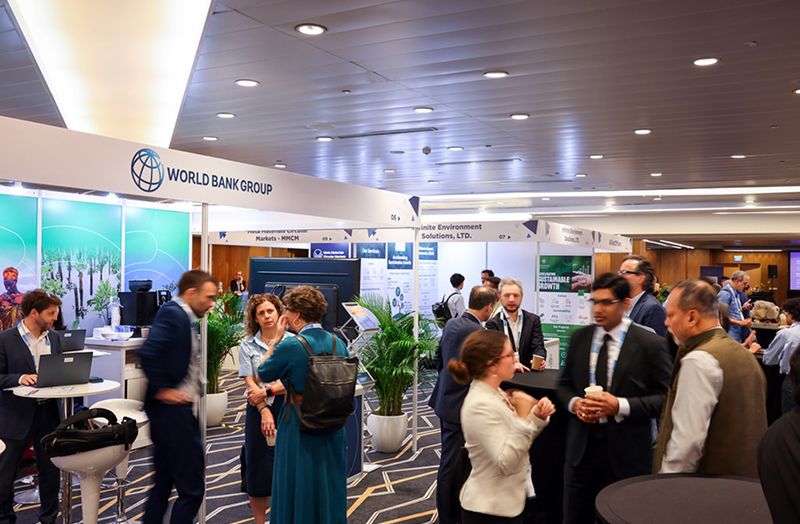
This diversity was reflected in the Marketplace, a dedicated space where governments engaged directly with solution providers, investors, and technical experts to identify ways to progress from policy to finance.
Turning carbon market dialogue into action
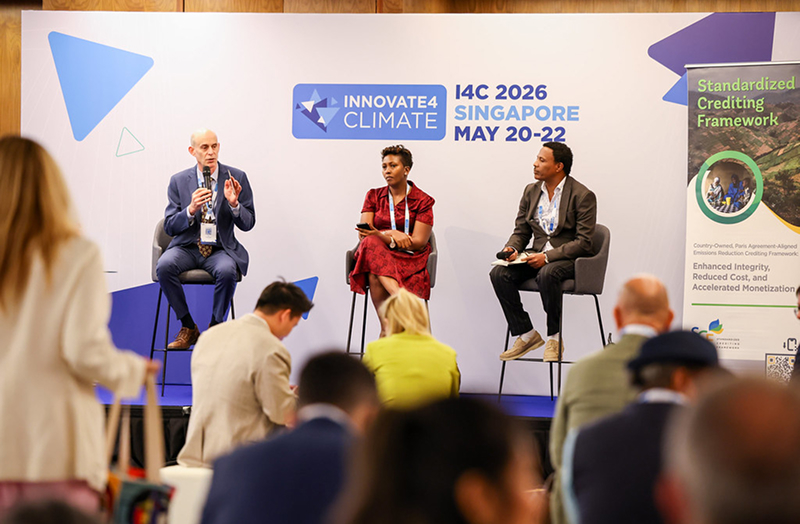
I4C 2026 placed practical implementation at the centre of its programme, with plenary sessions and technical workshops examining developments in carbon pricing and the challenges of translating policy into action.
Nadine Lim, International Policy Advisor at the International Emissions Trading Association (IETA), highlighted why maintaining momentum on these issues remains important.
“Conferences like Innovate4Climate are especially important in times of high geopolitical tension because we are helping to refocus the conversation on energy independence,” she said.
Lim also pointed to the practical advantages of hosting the conference in Singapore: “Singapore's infrastructure makes it a great place for carbon markets, and also for a conference like Innovate4Climate. We have great physical infrastructure, great conference venues. Beyond the physical, Singapore has great legal and digital frameworks. We are also a banking and finance hub where investors and buyers can very easily tap into those lines.”
One tangible outcome was the launch of the Singapore Carbon Markets Programme, a collaboration between Singapore and the World Bank Group aimed at strengthening regional carbon market infrastructure, facilitating credit monetisation, and building institutional readiness across developing countries.
“This was an important partnership that will help enhance capacity-building and the efforts of the World Bank to promote carbon markets in developing countries,” said Tineo.
O'Muircheartaigh also pointed to Singapore's established role in international carbon markets and the close collaboration between government and industry.
“Singapore is definitely a global leader in carbon and it has been driving us forward in carbon negotiations in the UN for years,” he said. “It has institutional finance capital, and a coordinated government and industry that is really proactive, particularly in carbon, particularly in climate.”
Through its strengths in climate finance, carbon market development and international partnerships, Singapore demonstrated how global business events can help translate shared climate ambitions into practical collaboration.